
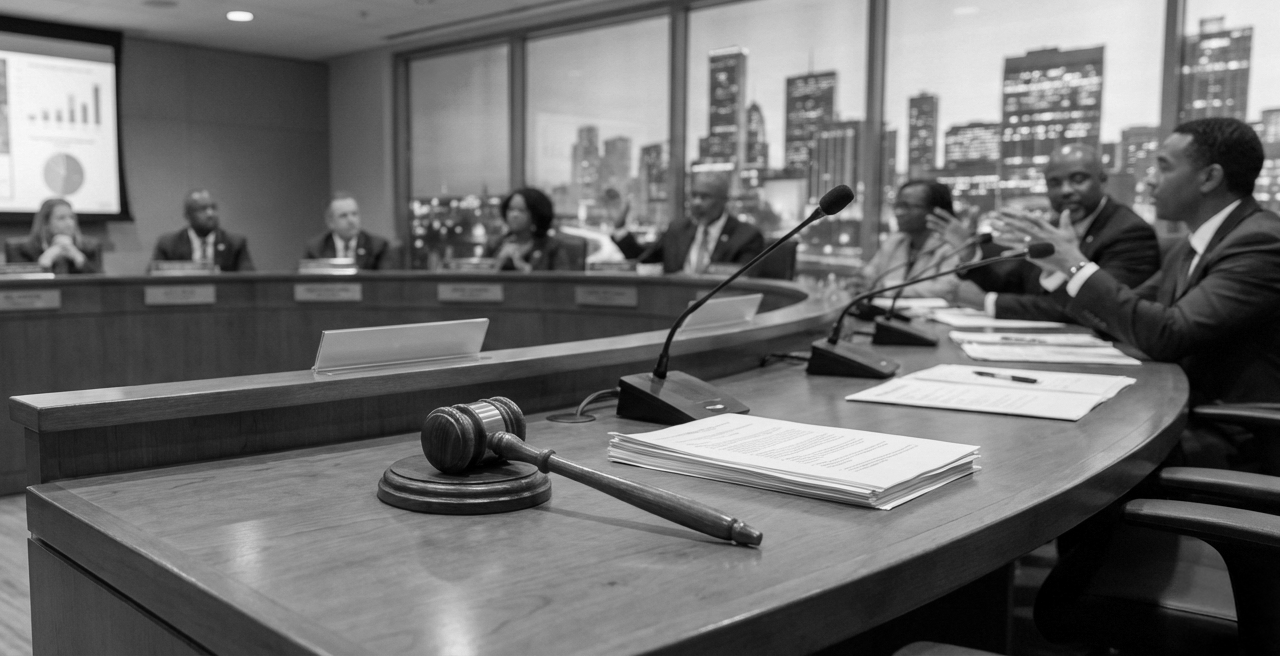


As cities turn the page from November’s local elections, attention has largely focused on mayors taking office. Less visible, but just as important, are the changes happening inside city councils. New members are settling in, leadership roles are being filled, and those early decisions are already shaping how cities will approach policymaking in 2026. Even without major ideological shifts, councils are beginning to show how they plan to organize themselves and what issues will rise to the top, from housing and budgets to public safety.
In Atlanta, longtime council member Marci Collier Overstreet began her term as City Council President last week. In outlining her agenda, she pointed to collaboration, economic development, and public safety, while emphasizing the council’s role in guiding development at the neighborhood level.
Seattle’s City Council also started 2026 with a leadership change, selecting Joy Hollingsworth as council president. The unanimous vote suggests a council that remains politically aligned, even as individual members bring different district-level concerns to the table, including housing affordability, transportation investments, and growth management. Hollingsworth steps into the role as the council and mayor prepare budget talks and longer-term discussions around planning and housing production.
In New York City, the start of the new legislative term brought both new leadership and new voices. The City Council unanimously elected Julie Menin as speaker, putting her in charge of a 51-member body that includes several newly elected council members from across the five boroughs. Many of those new members campaigned on issues such as housing affordability, environmental justice, and modernizing city services. Their arrival adds new perspectives to ongoing debates over land use, oversight, and fiscal priorities.
Not every council entered the year on the same footing. In Boston, the City Council opened its new term with a narrow vote for council president, resulting in a surprise candidate winning, and highlighting differences among members over leadership and committee control. That close decision is likely to shape which issues move first, including housing production, transportation funding, and oversight priorities, in a council where members largely agree on goals but differ on strategy and timing.
In Portland, the City Council initially went through multiple rounds of voting without selecting a council president during its first meeting of the year. After more than a week of deadlock and roughly a dozen rounds of tied votes, the council finally elected Councilor Jamie Dunphy as council president last week. The stalemate had slowed early policy movement despite general agreement on issues such as housing supply and climate change.
Other councils, meanwhile, moved quickly. In New Orleans, the City Council got to work following its inauguration, approving key fiscal measures alongside the city’s new mayor. Council members emphasized budget stability, public safety funding, and infrastructure needs.
Early moves within these councils show that leadership choices, committee structures, and internal coordination are already shaping whether councils move quickly, proceed cautiously, or struggle to build consensus. With 2026 expected to be a consequential year for local policymaking, these initial outcomes may offer a preview of what other cities could experience as the midterms approach.