



For a while, most of the attention in local housing affordability focused on supply, zoning, and whether cities were allowing enough housing to be built. Those issues are still central to local housing policy, but in a growing number of jurisdictions, local officials are also looking at them through the lens of who owns housing, how rental properties are being managed, and how cities are responding as the market starts shifting.
Analyzing Ownership Patterns in Los Angeles
In Los Angeles, the City Council is looking to study corporate ownership of rental housing and track how larger landlords may be affecting tenants, smaller owners, and would-be homebuyers.

The goal is not just to count units, but to better understand ownership patterns, how the city should distinguish between different kinds of landlords, and whether growing concentration in the rental market is creating new pressures that require closer attention.
Strengthening Oversight in Columbus and Denver
At the same time, Columbus, Ohio, city leaders are considering a rental registry as a way to move beyond a system reliant on complaints and get a clearer view of the local rental market.
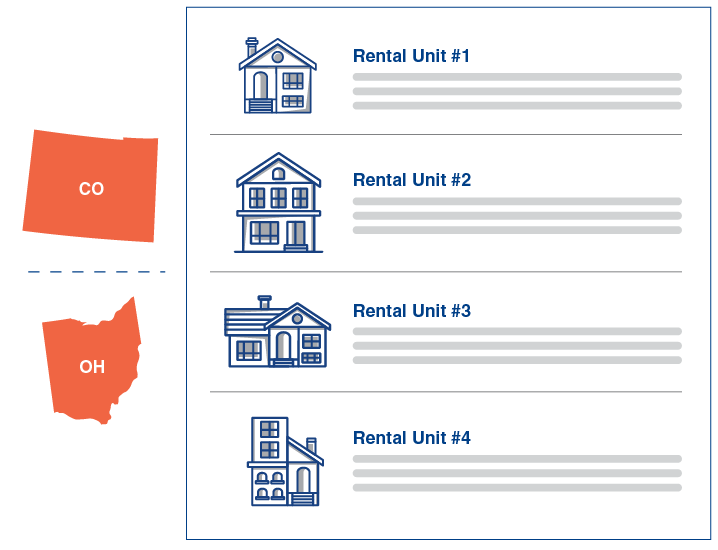
Supporters have argued that tenants do not always report serious housing problems, which can leave violations unaddressed until conditions worsen. The proposal has been revised because of legal concerns around proactive inspections of individual units, but the city is still moving toward a system that would require rental registration, inspect common areas, and give officials more leverage in dealing with repeat code problems.
Meanwhile, Denver’s elected officials have implemented a rental licensing system to identify rental properties, improve compliance efforts, and get a clearer picture of how their rental industry is functioning.
Legislative Responses to Investor Activity
In 2025, Fishers and Carmel, Indiana, adopted ordinances that capped rentals in single-family subdivisions at 10 percent, arguing the move would protect owner-occupancy and preserve access to starter homes.
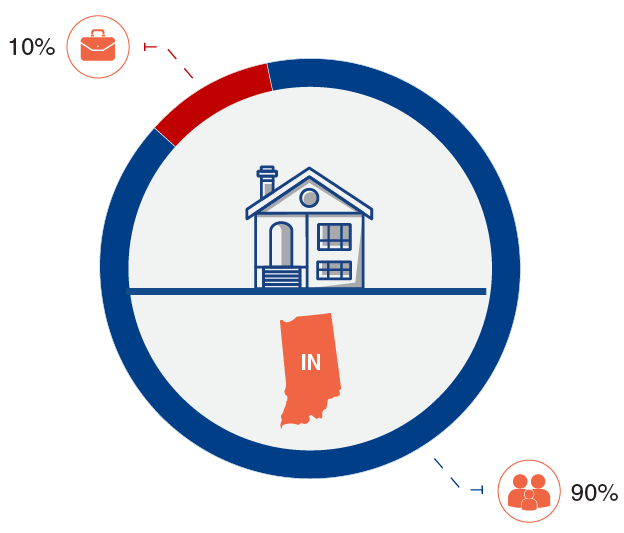
As more single-family homes are purchased by investors and converted to rentals, fewer homes remain available for traditional buyers, especially in neighborhoods that may be among the more affordable options in the community.
Moving quickly beyond the local level, Indiana lawmakers later passed legislation this session that will stop those ordinances from being enforced after a transition period, cutting off one of the measures those cities had chosen to use. At the federal level, President Trump signed an executive order in January aimed at large institutional investors buying single-family homes, and earlier this month, the Senate passed a major housing bill that included restrictions on those investors as well.
Evaluating Tradeoffs and Market Impacts
While we see this shift in focus, not every policymaker is tackling the issue in the same way. Efforts to limit investor ownership have gained attention in part because of competition for starter homes and the loss of owner-occupied housing. But those proposals also raise questions about tradeoffs, with some critics arguing that sweeping restrictions aimed at large investors could also affect build-to-rent development and reduce another source of rental supply.
Takeaway: A Focus on the Existing Market
These examples show how local housing policy is becoming more focused on the market that already exists, not just the housing that may be added next. In more places, officials are paying closer attention to ownership, oversight, and the pressures building around starter homes and rental housing as they decide what role local government should play.
About the Writer: Stephanie Rojo
Stephanie Rojo is the Senior Director of Stateside’s Local Services Division, where she leads the firm’s monitoring of policy developments across more than 10,000 jurisdictions in the U.S., Canada, and abroad. A specialist in emerging local issues – including AI in housing, data center regulations, packaging and building electrification – she helps clients navigate today’s decentralized policy landscape to make informed, strategic operational decisions.
Navigate Local Policy with Precision. From assessing risk to identifying pressure points, our Local Issue Management team provides the clarity you need in a fragmented policy landscape. We help you stop reacting and start leading by making informed decisions grounded in how local governments actually work. Click here to connect and learn how we can help you manage local policy threats and opportunities.