
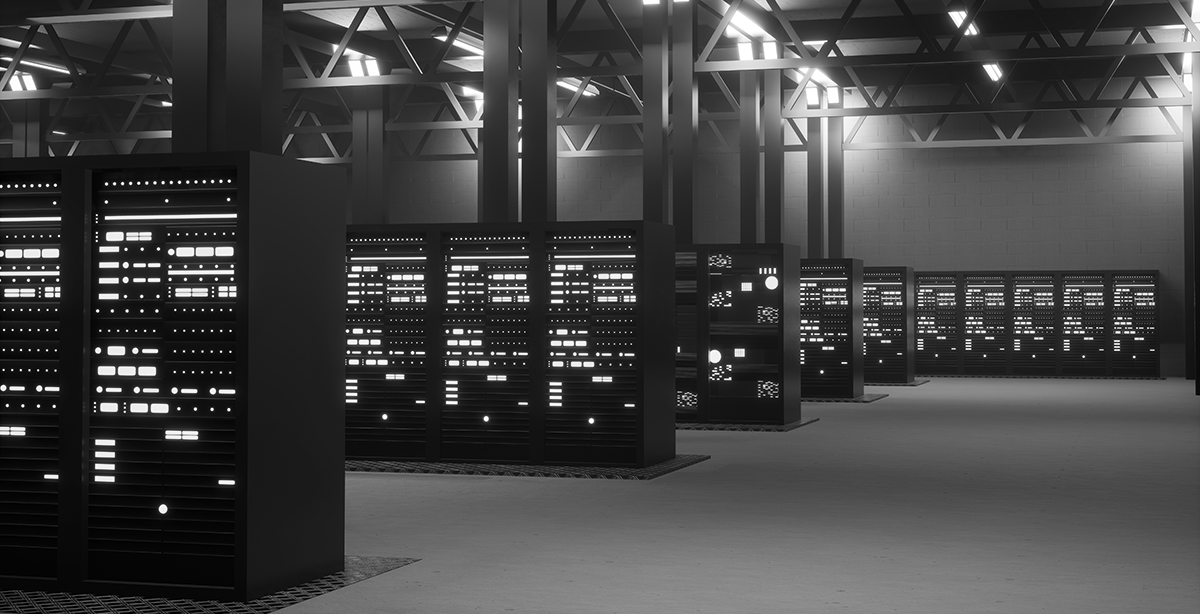


To meet rising AI demand, data centers are being built at an accelerated pace. Projections show that U.S. data center energy use could reach 9% by 2030. Not only do data centers use large amounts of electricity for their operations, including cooling systems, but they also require large amounts of water each year, primarily for their cooling systems.
States are responding to data center water consumption with several legislative approaches: mandatory water usage reporting, permits and site approval requirements, and tax incentives tied to conservation practices. In 2025, bills in California, Illinois, New Jersey, New York, Oregon, and Virginia proposed annual or quarterly reporting on water and energy usage. Legislation in California, Indiana, Minnesota, and Tennessee proposed that data centers disclose their estimated water usage or perform site assessments before receiving business licenses or construction permits. Another approach, seen in California, Colorado, and Kansas, encourages conservation through tax incentives for facilities that adopt water-efficient technologies, such as recycled water cooling systems or other water reuse commitments.
Most of these measures failed to become law. California Governor Newsom vetoed AB 93 which would have required data center owners to provide an estimate of their water use to their water supplier before they can apply for a business license. In his veto statement, Gov. Newsom signaled his reluctance to “impose rigid reporting requirements” on the AI sector “without understanding the full impact” on businesses and consumers. New Jersey Gov. Phil Murphy conditionally vetoed S4293, suggesting removal of the water usage reporting requirement and instead deferring the decision to report to the Board of Public Utilities.
Although these measures did not pass, two water usage bills were enacted. In Minnesota, Gov. Tim Walz signed HF 16, which requires that large data centers consider water conservation measures before obtaining a water use permit. In Kansas, Governor Laura Kelly signed SB 98, granting tax exemptions for data centers that include “practices that conserve, reuse, and replace water”.
These efforts reflect a growing interest in balancing limited resources with data center growth. States will need to be creative with novel solutions, such as linking tax incentives to conservation practices, that still encourage new business and economic growth from data centers while maintaining conservation efforts.
Navigating energy legislation and regulatory proceedings can be overwhelming—but not with Stateside by your side. Our expert team does the heavy lifting, monitoring every shift in energy policy so you don’t have to. Unlike generic keyword scrapers, we offer real insights from real people, powered by our advanced tracking platform and customized to meet your priorities. Focus on what matters most while we keep you ahead of the curve in energy policy.
Contact us today to learn how we can help.