
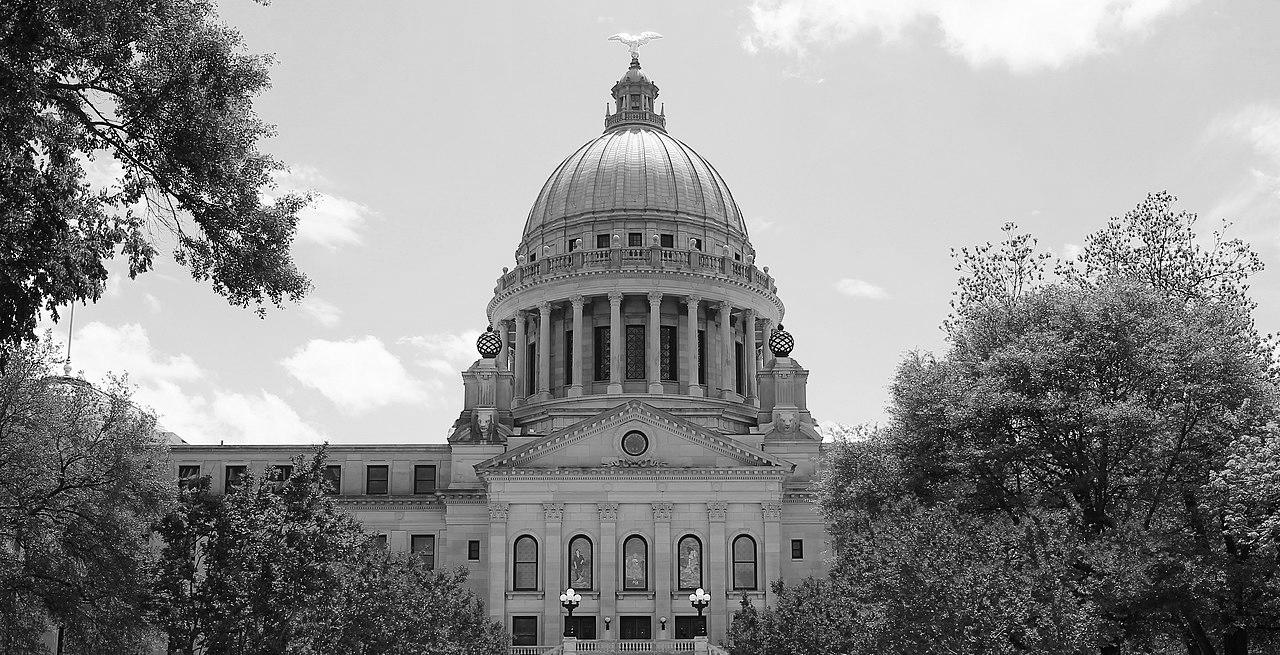


The Mississippi legislature adjourned on April 15, 2026. Originally the session was set to end on April 5, but due to budget negotiations, the session was extended by ten days. Nine bills were vetoed by Governor Tate Reeves (R), and only one measure had the veto overridden by the legislature. 659 bills and resolutions passed the legislature and over 3500 bills in total were introduced in the Senate and House.
PBM Reform
HB 1665 which was sponsored by Representative Hank Zuber (R), the chair of the House State Affairs Committee, sought to require Pharmacy Benefit Managers (PBMs) to at least reimburse pharmacists the costs of dispensing a drug. It also would prohibit mandating a subscriber use a specific affiliate pharmacy and spread pricing. The version introduced and passed by the House was written with independent pharmacies in mind, who have warned that without any reforms, that many across the state would be forced to close. This measure also would have moved regulation of PBMs from the Board of Pharmacy to the Commissioner of Insurance.
Once this measure reached the Senate, it was further amended and passed in early March. However, the Senate version removed the change of PBM oversight to the Commissioner of Insurance. It also changed how pharmacies are reimbursed, stating PBMs would be required to reimburse pharmacists at least as much as an affiliate pharmacy or the Mississippi Division of Medicaid, which covers the cost of the drug and a dispensing fee.
Once the measure made it back to the House, it was effectively killed, where it was not voted to advance or enter a conference committee to further negotiate the differences between the two chambers. The main issue in the House was that the dispensing fee was seen as a non-starter and was characterized as a change that would increase premiums and drug costs for users. The White House even sent a memo asking for the Senate version not to be concurred in the House and asked that the legislation be reworked to ensure that provisions which risk increasing affordability are removed.
Education
One success this session, which received both House and Senate support was SB 2294 “The Mississippi Math Act .“ This measure incorporated provisions from other failed bills this session and seeks to replicate their success for early childhood literacy for mathematics. It requires the Mississippi Department of Education to establish math coaches for elementary school students, as well as universal screenings and intervention support for grades K-5.
A late amendment to the bill adds financial literacy requirements. Beginning in 2026–2027, financial literacy components must be incorporated into Grades 6 through 8 curricula in all accredited public schools and charter schools. Beginning with the graduating class of 2031, students must complete either a half-Carnegie unit in personal finance or a full Carnegie unit course with at least half of the standards devoted to financial literacy in order to receive a high school diploma. Another amendment to the bill includes provisions related to state literacy standards requiring kindergarten through Grade 8 standards to align with scientifically based reading research.
This bill takes effect July 1.
Budget
After several weeks of negotiations, the Legislature passed a $7.36 billion budget for fiscal year 2027, which was signed by the Governor Tate Reeves (R) in the second week of April. One of the sticking points that held up negotiations, was how much a pay raise to give teachers in the state. While a separate bill was eventually passed giving teachers, a $2,000 pay raise, the amount is lower than the $5,000 initially proposed by the House and the $6,000 initially proposed by the Senate. Significant appropriations from the budget include:
I. $4.5 million for the Opioid and Substance Use Disorder Program.
II. $25 million to the State Department of Education for instructional materials.
III. $1,026,866,812 to the Division of Medicaid.
IV. $50 million to the Mississippi Development Authority for Awarded Grants and Loans for Community and Economic Development.
V. $5 million to the state Department of Health to provide HIV medical and/or support services, clinical quality management, and administrative expenses.
What’s Next
There is no outstanding legislation awaiting action from Governor Reeves and there are no statewide elections for the legislature or Governor’s office this year. Mississippi Law allows for Governor Reeves to call for a special session after the regular session as adjourned. House Speaker Jason White (R) has called for Governor Reeves to convene a special session to address the failed effort for PBM reform (HB 1665) which died after the House failed to concur the Senate Amendments. In 2025, a special session was held for a state budget to be passed before the June 30th deadline. But most special sessions historically have been for time sensitive appropriations or economic development measures.